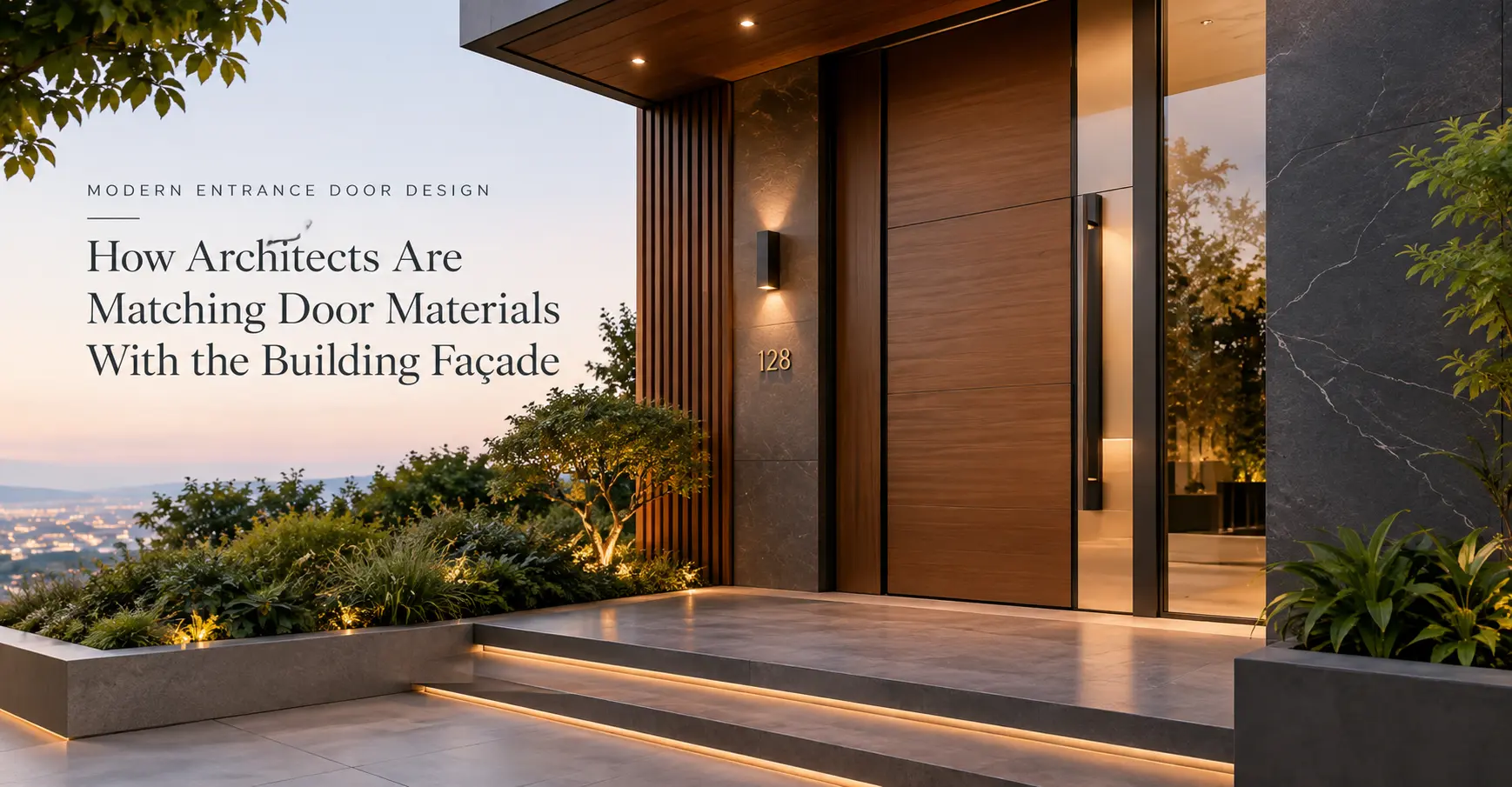
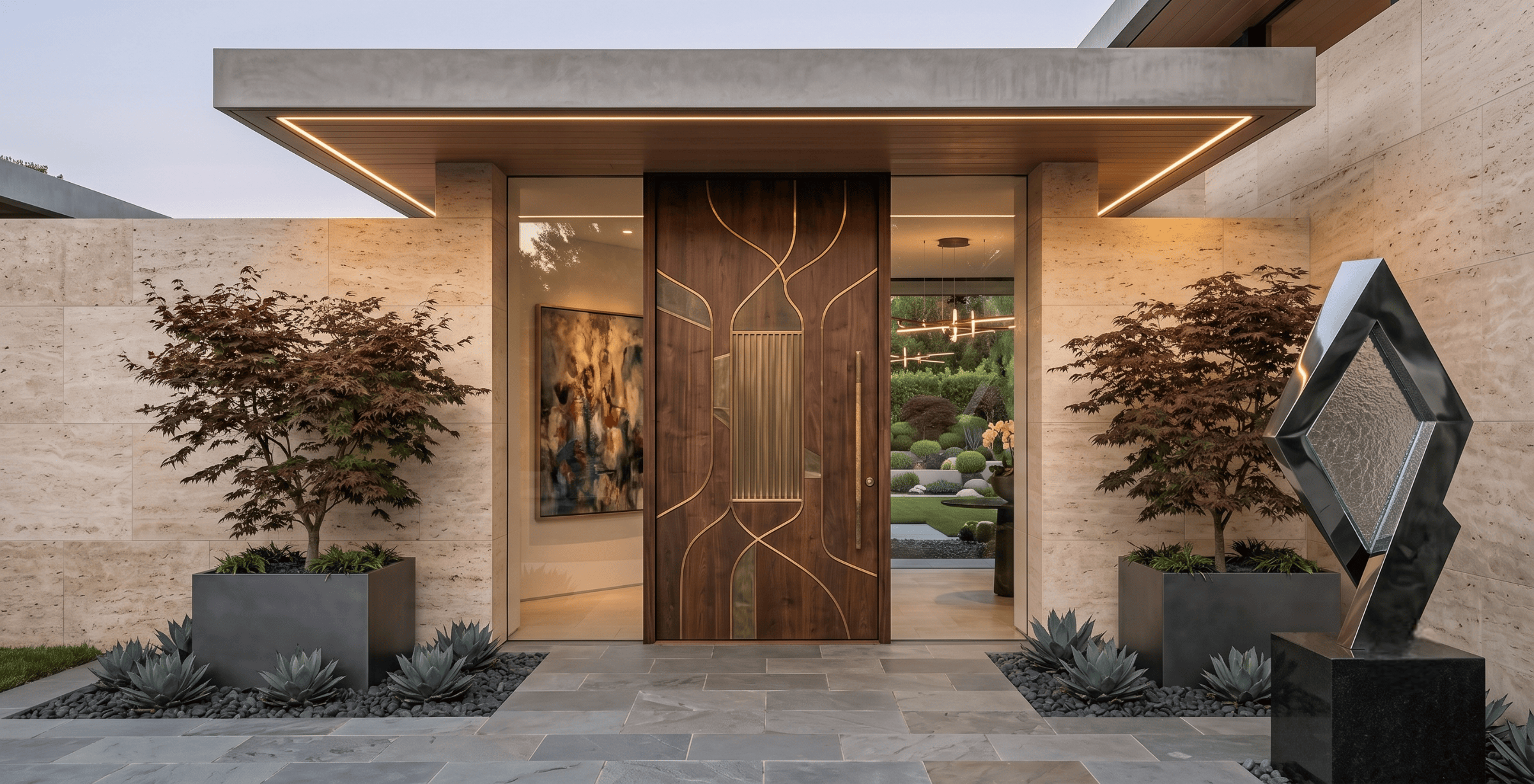
Your front door is the first thing people notice about your home. It sets the tone before a guest even steps inside, and it silently communicates your taste, your attention to detail, and yes, your sense of security. For years, homeowners had to choose between two things they both wanted badly: a beautiful entrance and a secure one. Thankfully, that trade-off is disappearing. Today's entrance door design trends are proving that style and smart security can share the same frame, quite literally.
In this blog, we'll explore how digital locks are reshaping the way we think about entryways, why modern entrance door design is leaning into technology, and how you can integrate smart hardware into a luxury main door design without making your home look like a tech showroom.
Why Entrance Door Design Deserves More Attention
Most homeowners spend weeks picking out sofas, tiles, and lighting fixtures, but the entrance door often gets an afterthought. That's a missed opportunity. The entrance door design of a home does three jobs at once: it protects, it welcomes, and it makes a statement. A poorly planned door can undo the visual harmony of an otherwise stunning façade, while a thoughtfully designed one can elevate the entire property.
As homes evolve to be smarter and more connected, the door is no longer just a slab of wood or metal with a lock. It has become a functional design element that needs to balance craftsmanship with technology. This is where the real challenge — and opportunity — lies.
The Rise of Digital Locks in Residential Spaces
A decade ago, digital locks were mostly seen in offices and hotels. Now, they're becoming a standard feature in Indian homes, especially in urban apartments and independent villas. Fingerprint access, PIN codes, RFID cards, and app-based controls have made traditional key-and-lock systems feel outdated.
There are practical reasons behind this shift:
No more fumbling for keys with grocery bags in hand
Remote access for family members, domestic help, or guests
Real-time alerts when the door is opened
Elimination of duplicate key risks
Better control during emergencies or lockouts
But while the utility of digital locks is undeniable, many homeowners hesitate because they fear it will disrupt the visual appeal of their entrance. This concern is valid — a bulky, mismatched digital lock can look completely out of place on a handcrafted wooden or metal door. The solution isn't avoiding smart locks; it's choosing the right entrance door design that accommodates them seamlessly.
Common Concerns: Will a Digital Lock Ruin the Look?
This is the question we hear most often. The good news is that with the right planning, digital locks can enhance rather than disrupt a door's aesthetics. Here's what typically causes a mismatch:
Wrong proportions – A lock that's too large or small for the door panel disrupts visual balance.
Clashing finishes – Chrome hardware on a matte black door, or brass fittings on a brushed steel frame, create visual noise.
Poor placement – Locks installed without considering the door's existing design lines or handle position.
Ignoring door material – Not all digital locks are compatible with every door material, especially metal or reinforced doors.
Avoiding these issues starts at the planning stage, not after the door is already installed. This is exactly why entrance door design and lock selection should happen together, not as separate decisions.
How to Integrate Digital Locks Into Modern Entrance Door Design
If you're designing or upgrading your entryway, here are practical ways to merge smart technology with visual appeal.
1. Choose a Lock Finish That Matches Your Hardware Palette
Every modern entrance door design has an underlying metal tone — whether it's matte black, antique brass, gunmetal, or brushed steel. Your digital lock should follow this palette. Manufacturers now offer smart locks in multiple finishes specifically so they can blend with handles, knockers, and hinges instead of standing out awkwardly.
2. Prioritize Slim, Minimal Lock Bodies
Older digital locks were bulky. Newer models are slimmer, with concealed wiring and compact keypads that sit flush against the door surface. For a luxury main door design, always opt for slim-profile locks that don't overpower the door's craftsmanship.
3. Let the Door Material Guide the Lock Type
Wooden doors pair well with recessed or mortise-style digital locks that maintain the door's natural grain visibility.
Metal and steel doors work better with surface-mounted smart locks designed for reinforced panels.
Pivot or oversized doors, popular in contemporary luxury main door design, often need custom-engineered locking mechanisms to handle their weight and size.
4. Keep the Design Language Consistent
If your entrance door design follows a minimalist theme, avoid locks with excessive buttons, displays, or logos. If it's a more classic or ornate door, a fingerprint panel with a subtle brushed finish will look far more cohesive than a glossy plastic keypad.
5. Think About Lighting
Many modern entrance door design concepts now include subtle LED accents around the lock or handle area. This not only improves visibility at night but also adds a premium touch, making the digital lock feel like an intentional design feature rather than an add-on.
Luxury Main Door Design Trends Worth Knowing
If you're planning a high-end entryway, here are a few directions currently popular among architects and interior designers:
Monolithic pivot doors with hidden hinges and integrated smart locks
Two-tone doors combining wood and metal, with hardware finished to match one of the two materials
Textured metal panels paired with matte-finish digital locks for an industrial-luxury feel
Fluted or grooved wooden doors where the lock is recessed to preserve the pattern
Oversized single-panel doors that use motorized or app-controlled locking systems for convenience
These trends show a clear pattern: luxury main door design today isn't about hiding technology, it's about integrating it so well that it becomes part of the design story rather than an interruption.
Material and Finish Considerations for a Seamless Look
When combining a digital lock with your entrance door design, material compatibility matters as much as appearance. Solid wood doors need locks with moisture-resistant internals to prevent long-term damage. Metal doors require locks engineered for higher security grades since they're often used as primary entry points in independent homes. Composite and engineered doors offer more flexibility, as they can be pre-drilled and reinforced precisely for smart lock installation without compromising structural integrity.
It's also worth considering weatherproofing, especially for homes exposed to heavy rain or direct sunlight. A well-designed digital lock should not just look good on day one, but continue to function and look sharp years down the line.
Choosing the Right Hardware Partner
This is where many homeowners get stuck. There's no shortage of digital lock brands in the market, but very few actually design their hardware keeping architectural aesthetics in mind. Most treat the lock as a purely functional gadget rather than a design element.
This is where a brand like Fabrinox stands out. Fabrinox focuses on premium door hardware that's built for homeowners who don't want to compromise between security and style. Instead of generic, one-size-fits-all locks, Fabrinox offers finishes and profiles designed to complement modern entrance door design and luxury main door design alike, whether your door is wood, metal, or a composite blend.
What makes Fabrinox particularly relevant for architects and homeowners working on premium entryways is the attention to detail in finish matching, slim lock bodies, and installation flexibility across different door materials. Rather than forcing your door design to adjust around the lock, Fabrinox hardware is built to adapt to your entrance door design vision.
For anyone renovating an entryway or building a new home, working with a hardware brand like Fabrinox early in the design process rather than after the door is finalized makes the integration far smoother and the final result far more cohesive.
Final Thoughts
The entrance to a home no longer has to choose between beauty and brains. With thoughtful planning, the right materials, and hardware partners who understand design, digital locks can become a natural extension of your entryway rather than a compromise. Whether you're going for a minimalist modern entrance door design or an elaborate luxury main door design, the key lies in treating security hardware as part of the design process from day one.
As smart homes become the norm rather than the exception, brands like Fabrinox are helping bridge the gap between functionality and aesthetics, proving that a secure door and a stunning door can, in fact, be the same door.
Latest Blogs