When it comes to choosing hardware and materials for a home's entryway, few decisions carry as much long-term weight as picking between a brass door and a bronze door. Both materials have been used in architecture for centuries, both age beautifully, and both carry an undeniable sense of luxury. Yet homeowners and architects often find themselves stuck comparing the two, unsure which one actually delivers better value once you factor in durability, maintenance, cost, and aesthetics over the years.
In this blog, we'll break down brass and bronze doors in detail, compare how each performs over time, and help you understand which material — or which brass door design — makes more sense for your home or project.
Understanding the Basics: Brass vs Bronze
Before comparing performance, it helps to understand what these materials actually are. Brass is an alloy made primarily of copper and zinc, giving it a bright, golden-yellow appearance. Bronze, on the other hand, is primarily copper and tin, sometimes with small amounts of other metals added, resulting in a deeper, more reddish-brown tone.
Both metals share copper as a base, which is why they behave similarly in terms of corrosion resistance and patina development. However, the difference in their secondary metal — zinc versus tin — changes how each material looks, ages, and performs under different conditions.
A brass door tends to have a warmer, more reflective finish that works beautifully for both traditional and contemporary homes. Bronze doors lean toward a more rustic, earthy character, often associated with heritage buildings, embassies, and old-world architecture.
Durability: How Each Material Holds Up Over Time
Durability is where the real long-term value conversation begins. Both brass and bronze are highly resistant to corrosion, but they respond differently to environmental exposure.
Brass doors are known for their strength and resistance to denting, making them a solid choice for high-traffic entryways. Because brass contains zinc, it can be more prone to a phenomenon called dezincification in certain humid or coastal environments, though high-quality brass alloys used in premium doors are treated to resist this.
Bronze doors are often considered slightly more resilient in harsh outdoor conditions, particularly in coastal or industrial areas, because tin offers better resistance to certain types of corrosion. This is part of why bronze has historically been the metal of choice for monumental doors and statues exposed to the elements for decades.
For most residential applications, though, a well-crafted brass door — especially one using a well-engineered brass door design — performs exceptionally well and can easily last generations with basic care.
Aesthetic Appeal: Which Looks Better Over Time?
This is where personal taste plays a big role, but there are some general patterns worth noting.
A brass door starts with a bright, polished, golden look that gradually develops a warm patina over time if left untreated, or maintains its shine indefinitely with a protective lacquer coating. This evolving character is part of what makes brass so popular — it tells a story as it ages, deepening in tone without losing its richness.
Bronze doors begin with a more muted, brownish tone and develop a darker, sometimes greenish patina over decades, especially when exposed to outdoor air. Many heritage buildings intentionally let bronze age naturally, treating the patina as a feature rather than a flaw.
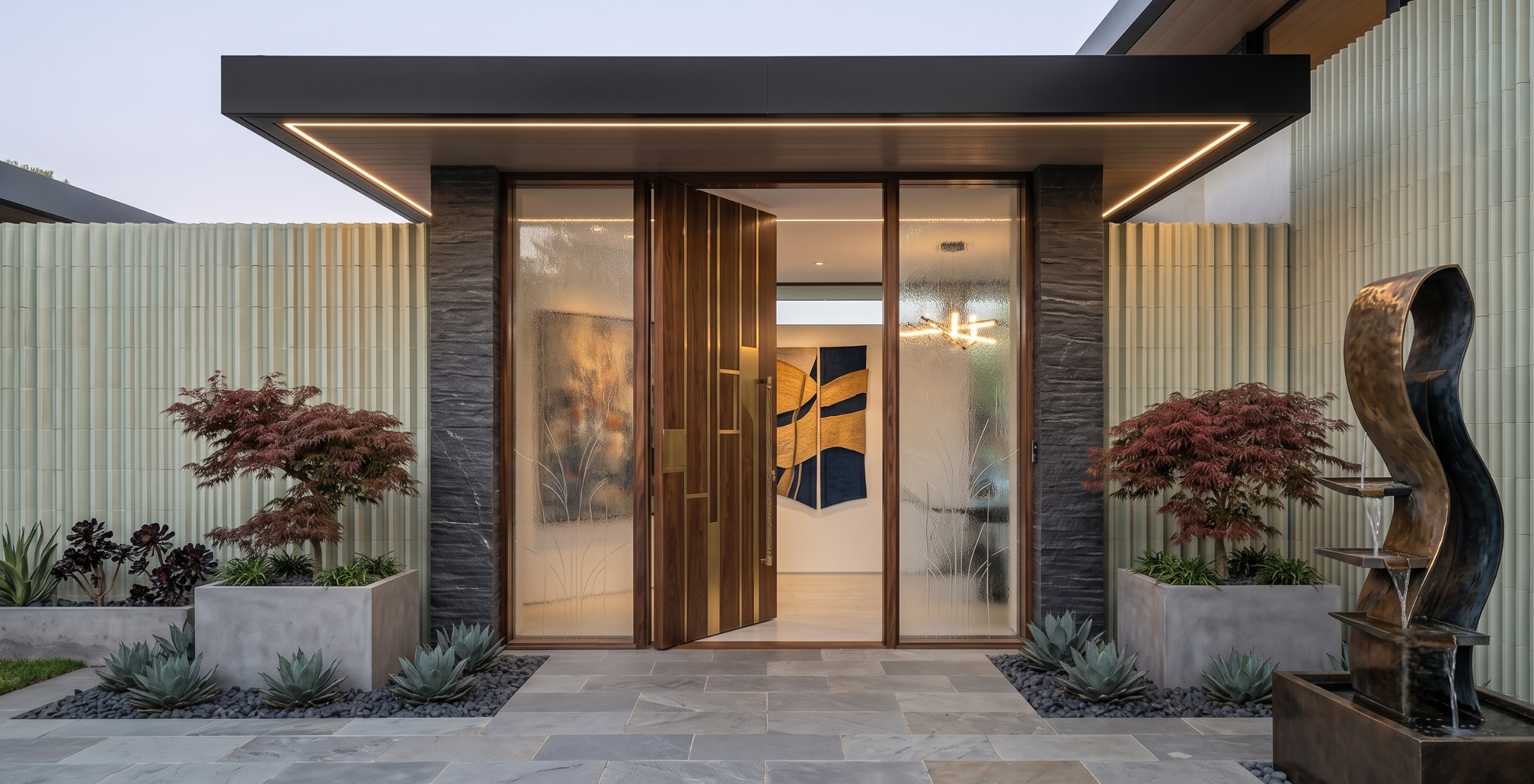
For homeowners who love intricate detailing, a brass inlay door is particularly striking. Brass inlay work — where thin brass strips or patterns are embedded into wood or another base material — creates a stunning visual contrast, especially on darker wood tones like walnut or teak. This technique has become increasingly popular in luxury Indian homes because it allows for personalization, from geometric patterns to floral motifs, without the cost of a fully solid metal door.
Maintenance Requirements: What You're Signing Up For
Long-term value isn't just about how a material looks or performs structurally — it's also about how much effort it takes to keep it that way.
Brass doors generally require periodic polishing if you want to maintain that bright golden shine. Many modern brass door design options come with a protective lacquer coating that significantly reduces the need for frequent maintenance, though this coating may need reapplication every several years depending on exposure to weather.
Bronze doors are relatively low-maintenance once the natural patina sets in, since the patina itself acts as a protective layer against further corrosion. However, if you prefer a bronze door to retain its original brighter tone rather than darkening naturally, it will require more active maintenance, similar to brass.
In humid climates, both metals benefit from occasional cleaning and the application of a protective wax or sealant to prevent moisture-related tarnishing.
Cost Comparison: Upfront Price vs Long-Term Value
On the surface, bronze doors often carry a higher price tag than brass doors, primarily due to the cost of tin as a raw material and the more labor-intensive casting processes typically used for bronze work. Brass, being slightly more affordable and easier to work with, tends to offer more design flexibility at a comparatively lower cost, especially for detailed work like a brass inlay door.
When you factor in long-term value, though, the comparison becomes more nuanced. A well-maintained brass door can last just as long as a bronze door in most residential settings, meaning the initial cost difference may not translate into a meaningful difference in lifespan. For homeowners focused on getting premium aesthetics without the higher price point of bronze, a thoughtfully designed brass door often delivers better overall value.
Which One Should You Choose?
The right choice really depends on your priorities:
Choose brass if you want a warmer, more versatile look that works across both traditional and modern architecture, along with more flexibility for detailed work like inlays and engravings.
Choose bronze if you're drawn to a deeper, more rustic aesthetic and don't mind the material darkening naturally over the years, particularly for statement doors in larger or heritage-style properties.
Choose a brass inlay door if you want the richness of solid brass detailing combined with the warmth of natural wood, giving you a more customized and cost-effective option.
For most modern homes and apartments, a well-designed brass door strikes the right balance between elegance, durability, and cost — making it the more practical long-term investment for the majority of homeowners.
Getting the Craftsmanship Right
Regardless of which material you choose, the real determining factor in long-term value isn't just brass versus bronze — it's the quality of craftsmanship behind the door. A poorly cast or poorly finished door, whether brass or bronze, will develop problems regardless of the material's inherent strengths. This is why sourcing your door from a manufacturer that understands both metallurgy and design detail matters as much as the material choice itself.
This is where Fabrinox brings real expertise to the table. Fabrinox specializes in premium door hardware and metal door solutions, with a strong focus on getting the finer details right — from finish consistency to structural durability. For homeowners considering a brass door design or exploring the intricate detailing of a brass inlay door, working with a brand like Fabrinox ensures the craftsmanship matches the material's potential.
What sets Fabrinox apart is the ability to customize brass work to fit specific architectural styles, whether that's a minimalist modern entrance or a more ornate, traditional design. Instead of offering generic, mass-produced options, Fabrinox focuses on tailoring each brass door to the homeowner's specific aesthetic and durability requirements, ensuring the investment holds up both visually and structurally for decades.
If you're planning a new entryway or upgrading an existing one, consulting with a specialist like Fabrinox early in the process can help you decide not just between brass and bronze, but the exact finish, thickness, and design detailing that will deliver the best long-term value for your specific home and climate.
Final Thoughts
Both brass and bronze doors offer genuine long-term value, and neither is objectively "better" in every scenario. Brass tends to offer more versatility, better affordability, and stunning design flexibility, particularly for detailed brass door design and brass inlay door work. Bronze offers a deeper, more rugged character that ages gracefully in outdoor and coastal conditions.
Ultimately, the material you choose should align with your home's architectural style, your climate, and how much maintenance you're willing to commit to. And whichever direction you lean, partnering with skilled craftsmen like Fabrinox ensures your door isn't just a functional entryway, but a lasting investment in your home's character and value.
Latest Blogs